
Snoring caused by obstructive sleep apnoea can often improve when the sleep apnoea is treated. In some people, the snoring may stop altogether.
That does not necessarily mean the underlying sleep apnoea has been cured.
Snoring is a sound caused by vibration in a narrowed upper airway. Obstructive sleep apnoea, or OSA, involves repeated episodes where that airway becomes partly or completely blocked during sleep.
The two are closely related, but they are not the same condition.
This is why changes in snoring can be useful, but they should not be the only way you judge whether sleep apnoea treatment is working.
Why Does Sleep Apnoea Cause Snoring?
When you fall asleep, the muscles around the throat relax.
In some people, the upper airway becomes narrow enough that tissues begin to vibrate as air passes through. This produces the sound we recognise as snoring.
With obstructive sleep apnoea, the airway can narrow further or close temporarily. Breathing may reduce or stop until the body briefly wakes enough to reopen the airway.
The Sleep Health Foundation’s guide to obstructive sleep apnoea explains that people with OSA can experience repeated narrowing or complete closure of the upper airway during sleep.
Snoring is common with OSA, but not everyone who snores has sleep apnoea.
Does Snoring Mean You Have Sleep Apnoea?
No.
Many people snore without having obstructive sleep apnoea. This is sometimes described as primary snoring when significant sleep apnoea is not present.
The important difference is what happens to your breathing.
With ordinary snoring, the airway vibrates but airflow continues.
With OSA, the airway repeatedly becomes restricted enough that breathing is reduced or temporarily stops.
According to Healthdirect’s information on snoring, sleep apnoea should be considered particularly when snoring occurs alongside symptoms such as choking or gasping during sleep.
Other warning signs can include:
- pauses in breathing noticed by another person
- excessive daytime sleepiness
- waking without feeling refreshed
- morning headaches
- difficulty concentrating
- frequently waking during the night
A sleep study may be needed to determine whether snoring is associated with OSA.
Can Treating Sleep Apnoea Stop Snoring?
Often, yes.
Many treatments for obstructive sleep apnoea work by preventing the upper airway from narrowing or collapsing during sleep. Because airway vibration also causes snoring, treatment can reduce both problems.
How much the snoring improves depends on the individual and the treatment being used.
CPAP
Continuous positive airway pressure, or CPAP, uses gentle air pressure to keep the airway open during sleep.
When CPAP is working effectively, it can usually control the airway obstruction and reduce or stop snoring associated with OSA.
The Sleep Health Foundation describes CPAP as a highly effective treatment for controlling obstructive sleep apnoea.
Oral Appliances
A mandibular advancement device is worn in the mouth during sleep and holds the lower jaw forward.
This can increase space in the upper airway and reduce the likelihood of it vibrating or becoming obstructed.
The Sleep Health Foundation’s guidance on oral appliances notes that custom oral appliances can be used for both snoring and obstructive sleep apnoea.
They are generally most useful for people with mild to moderate OSA and for some people who cannot use CPAP.
Lifestyle and Sleeping Position
Changes such as reducing alcohol before bed, losing weight when appropriate and avoiding sleeping on your back can reduce snoring and OSA severity for some people.
These changes do not have the same effect for everyone.
A person with moderate or severe OSA may still require active treatment such as CPAP even if lifestyle changes reduce their snoring.
For a broader explanation of the available options, read our guide to the best treatments for sleep apnoea.
If the Snoring Stops, Is the Sleep Apnoea Gone?
Not necessarily.
This is one of the most important distinctions to understand.
Snoring is something you or another person can hear. Sleep apnoea is measured by what happens to your breathing during sleep.
A treatment may make someone much quieter at night while some breathing interruptions continue.
For example, an oral appliance may reduce snoring before it has been adjusted enough to adequately control OSA.
This is why the absence of snoring should not automatically be treated as proof that sleep apnoea has resolved.
Clinical guidelines from the American Academy of Sleep Medicine and American Academy of Dental Sleep Medicine recommend follow-up sleep testing to confirm the effectiveness of oral appliance treatment in patients with OSA.
What a Change in Snoring Can Tell You
| What you notice | What it may mean |
|---|---|
| Snoring becomes quieter | The airway may be vibrating less, but OSA may still be present |
| Snoring stops with CPAP | Treatment may be controlling the airway well, but follow your treatment plan rather than stopping CPAP |
| Snoring improves with an oral appliance | The appliance may be helping, but effectiveness for OSA may still need objective assessment |
| Snoring returns after initially improving | Treatment, weight, sleeping position or other factors may have changed |
| Snoring stops but daytime sleepiness continues | Further review may be needed because symptoms can have more than one cause |
This is one reason sleep apnoea treatment should not be judged only by how quiet someone becomes at night.
Is Sleep Apnoea Actually Curable?
Sometimes the underlying problem can improve enough that OSA is no longer present, but this is not the typical outcome for every patient.
For many people, obstructive sleep apnoea is better thought of as a condition that can be controlled or managed.
CPAP controls airway obstruction while the machine is being used.
A mandibular advancement device works while it is being worn.
If either treatment is stopped, the airway problem may return.
Other changes can sometimes reduce OSA more substantially. For example, significant weight loss may improve sleep apnoea in some people where excess weight is an important contributing factor.
Surgery can also address particular anatomical causes in selected patients.
Whether OSA has genuinely resolved should be determined through appropriate medical reassessment rather than assuming it is gone because snoring has stopped.
What Is Primary Snoring?
Primary snoring refers to habitual snoring without clinically significant obstructive sleep apnoea.
This distinction matters because the goal of treatment is different.
With OSA, treatment is aimed at controlling a sleep-related breathing disorder.
With primary snoring, treatment may be focused mainly on reducing the snoring sound, sleep disruption and its impact on the person or their partner.
The Australasian Sleep Association has published Australian guidance specifically addressing treatment of primary snoring.
Before treating persistent snoring as a standalone problem, it is worth making sure sleep apnoea has not been overlooked.
Can a Dentist Help With Snoring?
Yes, in certain situations.
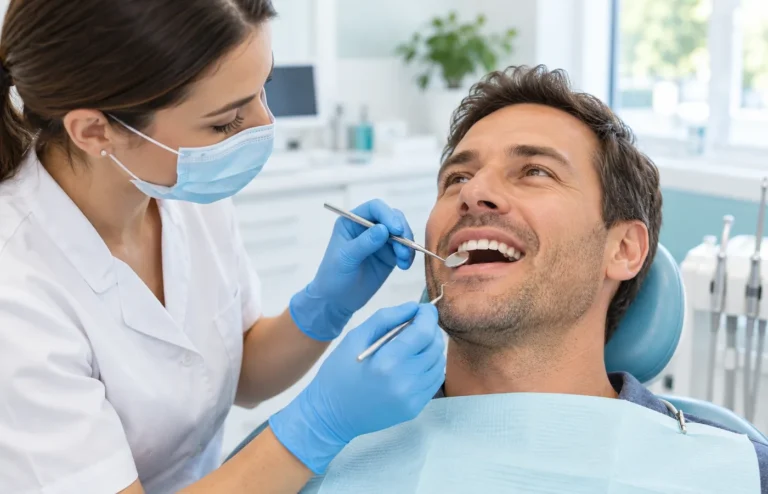
Dentists with appropriate training can provide custom mandibular advancement appliances for snoring and obstructive sleep apnoea.
The appliance holds the lower jaw forward during sleep, which can widen the upper airway.
For someone with suspected OSA, however, the dental appliance should not replace proper medical assessment.
The clinical practice guideline on oral appliance therapy recommends that sleep physicians and qualified dentists work together to provide and monitor treatment.
The dentist’s role can include:
- assessing whether the teeth and jaw are suitable for an appliance
- fitting a custom device
- adjusting the appliance
- checking for changes to the teeth, bite or jaw
- monitoring dental side effects
- working with the sleep physician as treatment continues
This is more than simply buying a mouthguard and wearing it at night.
Why Custom Oral Appliances Matter
There are many anti-snoring devices sold online, but they are not equivalent to a professionally fitted mandibular advancement device.
Everyone’s teeth, jaw position and bite are different.
A custom device can be adjusted based on the person’s response to treatment, while follow-up allows the dentist to monitor side effects.
The Sleep Health Foundation recommends individually fitted appliances rather than over-the-counter devices because non-custom products do not work consistently enough.
What if Your Snoring Comes Back?
Snoring can return after a period of improvement.
That does not automatically mean the treatment has failed, but it is worth investigating.
Possible reasons can include:
- changes in body weight
- increased alcohol use
- sleeping more often on your back
- nasal congestion
- changes to an oral appliance
- poor CPAP mask fit or treatment adherence
- progression or change in OSA
If you use an oral appliance and begin snoring again, have the device checked rather than adjusting it yourself.
If you use CPAP, speak with your sleep treatment provider if symptoms return or the equipment no longer seems effective.
When Should Snoring Be Assessed?
Consider speaking with a doctor if snoring is frequent or if it occurs with symptoms such as:
- waking while choking or gasping
- breathing pauses noticed by a partner
- significant daytime sleepiness
- difficulty staying awake while driving
- morning headaches
- poor concentration
- waking repeatedly during the night
Healthdirect recommends medical advice when snoring is concerning or when someone wakes gasping or choking.
A doctor may recommend a sleep study or referral to a sleep specialist.
A Simple Way to Think About Snoring and OSA Treatment
It can help to separate three different questions:
Has the snoring improved?
This tells you whether the noise and vibration may be reducing.
Do you feel better during the day?
This can give useful information about symptoms, although tiredness can have many causes.
Is the sleep apnoea actually controlled?
This may require objective testing, particularly when treatment involves an oral appliance.
All three matter, but they do not always change at the same time.
Frequently Asked Questions
Can CPAP Stop Snoring Completely?
CPAP often greatly reduces or stops snoring caused by obstructive sleep apnoea because it keeps the upper airway open.
Snoring can sometimes return if the mask leaks, the equipment is not being used properly or other factors change.
Can a Mouthguard Stop Sleep Apnoea Snoring?
A custom mandibular advancement device can reduce snoring and help manage OSA in suitable patients.
It is different from a standard sports mouthguard or generic anti-snoring device.
People with diagnosed OSA should have the treatment properly fitted and monitored.
Can You Still Have Sleep Apnoea Without Snoring?
Yes.
Snoring is common in OSA, but its absence does not completely rule the condition out.
Other symptoms and sleep testing may still identify sleep apnoea.
Can Losing Weight Stop Sleep Apnoea Snoring?
Weight loss may reduce OSA severity and snoring for some people living with overweight or obesity.
The effect varies between individuals.
Do not stop prescribed CPAP or another treatment simply because snoring improves after weight loss. Speak with the clinician managing your OSA first.
Does Sleeping on Your Side Help?
For some people, both snoring and OSA are worse when sleeping on the back.
Side sleeping may therefore help.
The benefit depends on how strongly sleeping position affects that individual’s airway.
How Do I Know if My Snoring Is Just Snoring?
You cannot always tell from the sound alone.
Frequent loud snoring combined with choking, gasping, breathing pauses or excessive daytime sleepiness deserves medical assessment.
A sleep study can help distinguish primary snoring from obstructive sleep apnoea.
Treat the Cause, Not Just the Noise
Sleep apnoea snoring can often be reduced significantly, and sometimes the snoring may disappear with effective treatment.
The more important question is whether the underlying breathing problem is being controlled.
Quieter sleep is encouraging, but it is not always enough to prove that OSA has resolved.
If you have diagnosed sleep apnoea, continue treatment and follow-up as recommended. If you snore regularly and have not been assessed, speak with a doctor before assuming it is simply a noise problem.
For a full overview of CPAP, oral appliances, lifestyle changes, positional therapy and other approaches, read our guide to the best treatments for sleep apnoea.
Sources and Further Reading
- Healthdirect Australia: How to Stop Snoring
- Sleep Health Foundation: Obstructive Sleep Apnoea
- Sleep Health Foundation: Oral Appliances to Treat Snoring and Obstructive Sleep Apnoea
- Sleep Health Foundation: Treatment Options for Obstructive Sleep Apnoea
- Australasian Sleep Association: Consensus and Evidence-Based Treatment for Primary Snoring
- American Academy of Sleep Medicine: Clinical Practice Guideline for Oral Appliance Therapy
This information is for general educational purposes and does not replace diagnosis or personalised advice from a doctor, sleep physician or dentist.
Written and editorially reviewed by the Aussie Dental Care Editorial Team