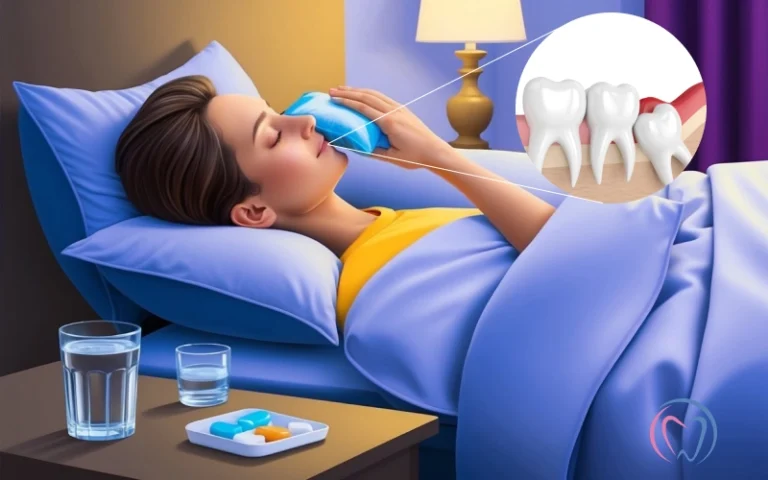

You can usually start eating soft foods within a few hours after a tooth extraction, once the local anaesthetic has worn off, active bleeding has settled and your dentist has said it is safe to do so.
You do not normally need to avoid food for an entire day.
The important part is choosing foods that are easy to eat without disturbing the healing area. For the first 24 to 48 hours, soft, cool or lukewarm foods are generally more comfortable than anything hard, crunchy or very hot.
Your recovery will depend on the tooth removed, the complexity of the procedure and how your mouth feels afterwards.
Here’s what to consider before your first meal, which foods are suitable and how to return to normal eating without rushing the healing process.
How Long Should You Wait Before Eating After a Tooth Extraction?
There is no exact waiting period that applies to everyone.
Most importantly, wait until the numbness has worn off before chewing. Eating while your lips, tongue or cheek are numb can cause you to bite yourself without realising it.
Local anaesthetic commonly takes a few hours to wear off. The University College London Hospitals’ extraction aftercare guidance explains that numbness may last approximately two to six hours.
Before eating, check that:
- You can feel your lips, tongue and cheek normally again.
- Active bleeding has settled.
- You no longer need gauze to control bleeding.
- You can eat without placing pressure on the extraction site.
- Your dentist has not given you a longer waiting period.
If all of these apply, you can usually begin with something soft and easy to swallow.
If you have had sedation, a general anaesthetic or complicated oral surgery, follow your discharge instructions. Your eating recommendations may be different.
What Can You Eat After Tooth Extraction? A Recovery Timeline
The following timeline is a practical guide to food choices as your mouth heals.
It is not a fixed schedule. Some people are comfortable with a wider range of foods sooner, while others need a soft diet for longer.
| Recovery stage | Foods to consider | What to avoid |
|---|---|---|
| First few hours | Water in small sips. Soft food once numbness and bleeding have settled | Chewing while numb, hot food and drinks |
| First 24 hours | Yoghurt, mashed banana, smooth puree, cooled soup, soft scrambled eggs | Hard, crunchy, sticky, spicy or very hot foods |
| Days 2 to 3 | Porridge, mashed potatoes, soft pasta, tofu, soft fish, cooked vegetables | Foods that require forceful chewing or easily lodge in the socket |
| Days 4 to 7 | Gradually try more soft meals as comfort improves | Crunchy, sharp or tough foods if the area remains tender |
| After the first week | Return towards your usual diet as comfortable | Anything that causes pain or disrupts the healing site |
According to SA Dental’s food guidance after tooth extraction, most people can gradually return towards a regular diet within approximately one to two weeks, although recovery varies.
A simple extraction may allow an earlier return to familiar foods. Surgical removal of an impacted wisdom tooth may require a softer diet for longer.
What Are the Best Foods to Eat After a Tooth Extraction?
The most useful foods are those that provide nourishment without requiring much chewing.
The SA Dental soft food recommendations include eggs, yoghurt, mashed vegetables, fish, tofu, porridge and well-cooked pasta.
Soft Foods for the First 24 Hours
Once you are ready to eat, suitable options may include:
- Plain yoghurt without seeds or crunchy toppings
- Mashed banana or avocado
- Smooth fruit puree
- Scrambled eggs that have cooled to a comfortable temperature
- Mashed potatoes
- Smooth soup served lukewarm
- Custard or soft pudding
Choose foods you can swallow comfortably without chewing near the extraction site.
If you are having a smoothie, drink it from a cup or use a spoon rather than a straw.
More Substantial Foods for Days 2 and 3
As discomfort settles, you may feel ready for meals that require a little more chewing.
Options include soft pasta, porridge, well-cooked vegetables, flaky fish, tofu, mashed beans and soft cheeses.
These foods can make it easier to get enough energy and nutrients while your mouth is healing.
You do not have to rely only on soup or yoghurt for several days.
Foods to Reintroduce Later
You can gradually return to firmer foods when chewing becomes comfortable and the healing area is no longer easily irritated.
Rather than deciding that a food is automatically safe on day four or five, consider how it feels to eat.
If a food pulls at the gum, causes pain or requires heavy chewing near the extraction site, leave it for another day.
What Should Your First Meal Look Like?
Your first meal does not need to be complicated.
A small bowl of yoghurt, soft scrambled eggs or mashed potato may be enough to begin with.
Eat slowly and take small mouthfuls. Chew on the opposite side of your mouth where possible.
Avoid testing the extraction site by chewing directly over it.
An example of simple meals for the first day:
| Meal | Example |
|---|---|
| First meal | Plain yoghurt and mashed banana |
| Lunch | Smooth vegetable soup, cooled until lukewarm |
| Afternoon snack | Custard or soft avocado |
| Dinner | Soft scrambled eggs with mashed potatoes |
These are examples rather than a prescribed meal plan.
If you have diabetes, food allergies, swallowing difficulties or specific dietary needs, choose suitable alternatives and follow any individual medical advice.
The goal is to stay nourished without irritating the healing area.
Foods to Avoid After Tooth Extraction
Some foods are more likely to cause discomfort or interfere with early healing.
Hard and Crunchy Foods
Avoid foods such as nuts, popcorn, chips, hard biscuits and crusty bread while the socket is healing.
Sharp or hard pieces can irritate the gum or become trapped around the extraction site.
Sticky and Chewy Foods
Chewing gum, toffees, tough meat and other sticky foods can require more chewing force than is comfortable during early recovery.
They may also be difficult to remove from around the healing area.
Very Hot Foods and Drinks
Hot food can burn a mouth that is still numb and may encourage bleeding soon after surgery.
Allow soups, tea and other warm foods or drinks to cool to a comfortable temperature.
Spicy or Acidic Foods
Chilli, hot sauces and acidic foods may sting or irritate tender oral tissues.
It is usually sensible to avoid them until the area feels more comfortable.
Foods With Seeds or Small Hard Pieces
Seeds, popcorn fragments and small crunchy toppings can become trapped near the extraction socket.
Choose smooth alternatives during early recovery.
Alcohol and Fizzy Drinks
SA Dental recommends avoiding alcohol, carbonated drinks and sugary drinks following tooth extraction.
Alcohol may also be unsuitable with pain medication or other medicines prescribed after surgery.
Water is the simplest option for staying hydrated.
When Can You Drink Water After Tooth Extraction?
You can generally begin drinking water once you are alert, able to swallow comfortably and your dentist has not advised otherwise.
Take small sips from a cup.
Avoid swishing water forcefully around your mouth or spitting repeatedly during the early healing period.
You should also avoid using a straw soon after an extraction.
SA Dental advises against straws because the sucking action may disturb the blood clot inside the socket.
Staying hydrated is important, particularly if you are eating less than usual.
When Can You Drink Coffee or Tea After Tooth Extraction?
It is best to avoid very hot coffee or tea immediately after an extraction.
If your mouth is still numb, you may not notice that a drink is hot enough to burn your tongue or cheek.
Very hot drinks may also encourage bleeding during early recovery.
Once the numbness has worn off and bleeding is controlled, a cooled or lukewarm drink may be more comfortable, unless your dentist has advised you to avoid it.
Follow any additional instructions if you have had surgical treatment.
Why Does Eating Carefully Matter After Tooth Removal?
When a tooth is removed, a blood clot forms inside the empty socket.
This clot helps protect the underlying bone and provides an important foundation for healing.
The Queensland Government’s dental surgery aftercare guidance explains why protecting the blood clot is important.
Eating carefully helps you avoid unnecessary pressure or irritation around the socket.
It also reduces the chance of hard food fragments becoming trapped in the area.
One complication dentists want patients to avoid is dry socket, which can occur when the protective clot is lost or breaks down before the socket has healed sufficiently.
Not every case of dry socket is preventable, but following your dentist’s aftercare instructions can help reduce avoidable risks.
Can You Eat Normally After a Wisdom Tooth Extraction?
Wisdom tooth removal can involve a longer recovery, particularly when the tooth is impacted or requires surgery.
You may experience swelling, tenderness and difficulty opening your mouth widely.
The Cambridge University Hospitals guidance on surgical wisdom tooth removal notes that jaw stiffness can make a soft diet necessary for approximately a week in some patients.
This does not mean everyone who has a wisdom tooth removed needs to avoid normal food for seven days.
The type of procedure and your symptoms determine how quickly you can return to your usual meals.
If you have had several wisdom teeth removed at once, chewing on an unaffected side may also be difficult. Smooth, nourishing foods can be especially helpful during this period.
When Can You Return to Your Normal Diet?
Rather than relying on a fixed number of days, consider these three questions:
1. Can you chew without pain?
If chewing still causes discomfort around the socket, continue with softer foods.
2. Can you eat without disturbing the healing area?
If food keeps catching in the socket or requires you to chew directly over it, choose something easier.
3. Are your symptoms improving?
Mild soreness should generally become more manageable as healing progresses.
Increasing pain, swelling or bleeding is a reason to contact your dentist rather than push ahead with normal eating.
This approach is more useful than assuming everyone can return to their regular diet after exactly three or four days.
How Should You Clean Your Mouth After Eating?
Food can collect around the extraction site while you recover.
However, the timing of mouth rinsing is important.
During the First 24 Hours
Avoid vigorous rinsing, forceful spitting and poking around the socket.
Many hospital extraction instructions recommend not rinsing at all during the first 24 hours, because doing so may disturb the blood clot.
The University College London Hospitals aftercare instructions specifically recommend avoiding rinsing, spitting and touching the extraction site for the first 24 hours.
Follow the instructions given by your treating dentist if they differ.
After the First 24 Hours
Your dentist may recommend gentle warm salt water rinses, particularly after meals.
Move the solution carefully around your mouth without vigorous swishing.
Do not use your finger, toothbrush or another object to try to remove food directly from inside the extraction socket.
If food repeatedly becomes trapped or causes pain, contact your dentist for advice.
For more general aftercare advice, read our tooth removal recovery tips.
What if Food Gets Stuck in the Tooth Extraction Hole?
It is possible for small food particles to collect near a healing socket.
Do not try to dig them out with a toothpick, fingernail or toothbrush.
During the first 24 hours, avoid disturbing the site.
After that, gentle rinsing may help clear loose debris if your dentist has recommended it.
If food remains trapped, causes increasing discomfort or is accompanied by a bad taste, swelling or unusual pain, ask your dentist to assess the area.
When Should You Contact Your Dentist?
Eating should gradually become more comfortable as recovery progresses.
Contact your dentist promptly if you notice:
- Bleeding that continues despite following the pressure instructions you were given
- Severe or increasing pain
- Swelling that becomes worse instead of improving
- Fever or feeling generally unwell
- Pus or an unpleasant discharge
- A persistent bad taste accompanied by pain
- Difficulty eating or drinking enough because of pain or swelling
A sudden increase in pain several days after extraction can be a warning sign of dry socket or another complication.
Seek emergency medical care for difficulty breathing or swallowing, rapidly spreading facial or neck swelling, or severe uncontrolled bleeding.
Frequently Asked Questions
Can I Eat Two Hours After Tooth Extraction?
Possibly, but only if the numbness has worn off, bleeding has settled and your dentist has not instructed you to wait longer.
Local anaesthetic can last several hours, so two hours may be too soon for some people.
Begin with soft food rather than a regular meal.
Can I Eat Four Hours After Tooth Extraction?
Many people can eat soft foods by this stage, but the exact timing depends on numbness, bleeding and the procedure performed.
Do not chew while your tongue, cheek or lips are still numb.
Can I Eat Rice After Tooth Extraction?
Soft, well-cooked rice may be manageable once chewing is comfortable.
However, small grains can become trapped around a healing socket.
Be cautious during early recovery and avoid chewing over the affected area.
Can I Eat Bread After Tooth Extraction?
Soft bread without a hard crust may be suitable once it is comfortable to chew.
Avoid crunchy toast, crusty rolls and hard bread during early healing.
Can I Eat Ice Cream After Tooth Extraction?
Smooth ice cream without nuts, hard pieces or crunchy toppings may be comfortable for some people after the anaesthetic has worn off.
It is not essential for recovery, and yoghurt or other nutritious soft foods may be better everyday choices.
Can I Drink Through a Straw After Tooth Extraction?
It is best to avoid straws during the initial healing period.
The suction involved in using a straw may disturb the blood clot protecting the socket.
Follow your dentist’s advice about when you can resume using one.
How Long Should I Eat Soft Foods After Tooth Extraction?
Many people benefit from soft foods for at least the first 24 to 48 hours.
After that, you can gradually try firmer foods as comfort improves.
Following surgical wisdom tooth removal, you may need a soft diet for longer.
Can I Eat on the Opposite Side of My Mouth?
Yes. Chewing on the side away from the extraction is commonly recommended during early recovery.
It helps reduce direct pressure on the healing area.
If you have had teeth removed on both sides, focus on foods that require very little chewing.
Can I Eat Normally Three Days After Tooth Extraction?
Some people can begin reintroducing more familiar foods after a few days.
However, three days is not a universal recovery deadline.
If your mouth is still tender or you have had surgical treatment, continue with softer foods.
Eating Well While Your Mouth Heals
You do not usually need to go without food for a full day after a tooth extraction.
Once the numbness has worn off and bleeding is controlled, you can generally begin with soft foods and gradually expand your diet as the extraction site becomes more comfortable.
Focus on meals that are easy to chew, provide enough nourishment and do not irritate the healing area.
Avoid rushing back to hard or crunchy foods simply because a certain number of days has passed.
Most importantly, follow the instructions provided by the dentist or oral surgeon who removed your tooth. They can advise you based on the procedure performed and how your recovery is progressing.
Sources and Further Reading
- SA Dental: Soft Food Suggestions After Tooth Extraction or Dental Surgery
- Queensland Government: Care After Dental Surgery
- University College London Hospitals: Dental Extractions, Post-operative Instructions
- Cambridge University Hospitals: Surgical Removal of Impacted Wisdom Teeth
- Healthdirect Australia: Bleeding Gums and Dental Bleeding
This article is for general educational purposes and does not replace personalised advice from a registered dental professional. Always follow the aftercare instructions provided by your treating dentist or oral surgeon.