
Healing timeline
Recovering from tooth tooth extraction requires proper care to ensure healing and avoid complications.
- Manage bleeding;
- To control bleeding, gently bite on the gauze pad that has been placed over the extraction site. Make sure to change it every 30 to 45 minutes as per your dentist’s recommendation
- Don’t split too much, as it could dislodge the clot and delay healing.
- Control swelling;
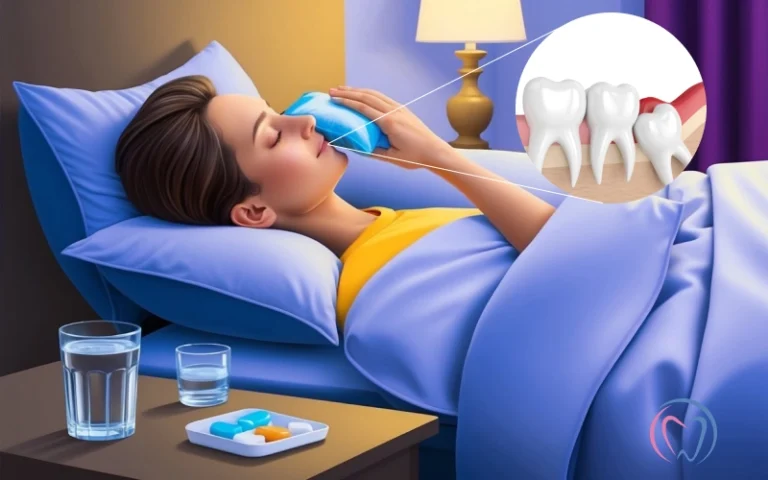
- During the initial 24 hours, place an ice pack on your cheek near the extraction site. Use it in 15-minute intervals to reduce swelling and discomfort.
- Follow a soft diet;
-
Once the numbness has worn off and bleeding has settled, start with soft foods such as yoghurt, mashed potatoes, scrambled eggs or lukewarm soup. Avoid hard, crunchy or very hot foods that could irritate the extraction site. Your diet can gradually return to normal as the area heals, depending on the type of extraction and your comfort. If you’re unsure when to have your first meal or which foods are safe during recovery, read our guide on how soon you can eat after a tooth extraction.
-
- Maintain oral hygiene;
- For the first 24 hours, avoid brushing near the extraction area.
- After 24 hours, make sure to rinse your mouth with warm salt water to maintain the area’s cleanliness.
- Avoid certain activities;
- Do not use straws, smoke or engage in intense physical activities for at least 3-5 days, as these can disrupt the blood clot and result in a dry socket.
- Take medications as prescribed;
- Take painkillers and antibiotics as instructed by your dentist.
- Pain and inflammation can be managed with the use of over-the-counter medications such as ibuprofen.
- Stay hydrated;
- During the initial recovery phase, make sure to drink a lot of water, but avoid carbonated, hot or alcoholic beverages.
- Check for Signs of Complications;
Some soreness, swelling and minor bleeding are expected after a tooth extraction, but symptoms should gradually improve. Contact your dentist if pain or swelling becomes worse, bleeding continues or you notice signs of infection. A measured fever should also be taken seriously rather than assumed to be part of normal healing. Read our guide on fever after tooth extraction to understand what temperature counts as a fever, possible causes and when to seek professional care.
- Blood clots form and swelling commences within the first 24-hour period.
- After 2-3 days, the swelling will begin to decrease.
- Within 1 to 2 weeks, the gum tissue heals and stitches may dissolve.
By following these recovery tips, you can aid in healing and reduce discomfort. Always follow your dentist’s recommendations for personalised advice.