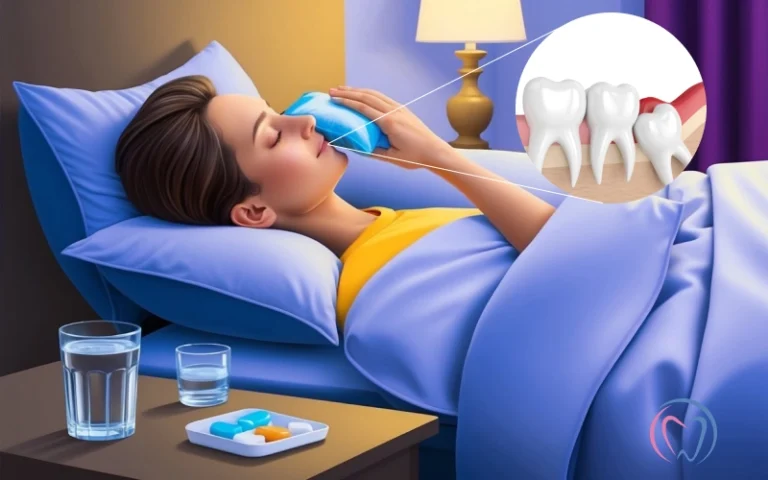

Yes, you can usually eat after a dental filling once the numbness from local anaesthetic has worn off. If you have a tooth-coloured composite filling, the material is normally hardened before you leave the dentist. Other fillings, including amalgam and temporary restorations, may need additional precautions.
The safest time to eat depends on the filling material, whether your mouth is still numb and any specific instructions from your dentist.
Quick answer: After a white composite filling, you can generally eat once normal feeling has returned to your lips, tongue and cheek. If you have an amalgam filling, your dentist may recommend avoiding hard chewing on the treated side for up to 24 hours. Temporary fillings and other materials can require different precautions.
You do not necessarily need to avoid food for the rest of the day. However, starting with something soft and easy to chew can be more comfortable, especially if the tooth is sensitive.
How Long After a Filling Can You Eat?
The waiting time depends partly on how the filling material sets.
Some fillings are already fully hardened before you leave the dental chair, while others continue gaining strength after placement.
The Australian Dental Association explains that dentists use several materials to restore damaged teeth, including composite resin, amalgam and glass ionomer cement.
Eating After Different Types of Dental Fillings
| Filling type | When can you usually eat? | Important consideration |
|---|---|---|
| Composite (white filling) | Once numbness has worn off, or sooner if no anaesthetic was used and your dentist confirms it is safe | The material is normally hardened during treatment |
| Amalgam (silver filling) | You may be able to eat once numbness settles | Your dentist may advise avoiding heavy chewing on that side for around 24 hours |
| Glass ionomer | Follow your dentist’s instructions | Setting characteristics vary depending on the material used |
| Temporary filling | Follow the recommended waiting period | Avoid hard or sticky foods that could dislodge the restoration |
| Gold or porcelain inlay | Follow your dentist’s instructions after placement | Eating advice depends on the restoration and bonding or cementation method |
These are general guidelines rather than fixed rules.
Your dentist’s instructions should take priority because they know which material was used and whether the treated tooth needs additional protection.
Can You Eat Immediately After a White Composite Filling?
In many cases, yes, provided your mouth is no longer numb and your dentist has not given you other restrictions.
Composite fillings are made from tooth-coloured resin, which is typically hardened using a special curing light during the appointment.
This means the filling does not usually need another 30 minutes or an hour to set after you leave.
According to Cleveland Clinic’s dental filling guidance, you can generally resume eating after treatment, although waiting for the local anaesthetic to wear off helps prevent accidental injuries.
Why Might Your Dentist Still Recommend Soft Foods?
Even when the filling is already hardened, the tooth and surrounding tissues may feel tender.
You might experience temporary sensitivity to hot, cold or sweet foods, particularly if the filling was deep.
Starting with softer foods can help you avoid unnecessary pressure while the discomfort settles.
This is a comfort measure rather than evidence that a properly cured composite filling still needs time to harden.
How Long Should You Wait After an Amalgam Filling?
Amalgam fillings are made from a combination of metals and are sometimes called silver fillings.
Unlike light-cured composite resin, conventional amalgam continues gaining strength after it is placed.
For this reason, your dentist may recommend avoiding hard or forceful chewing directly on the new filling until the following day.
However, that does not necessarily mean you cannot eat anything for 24 hours.
You may be able to eat softer foods on the opposite side of your mouth once the numbness has worn off.
The exact recommendations depend on the material and your dentist’s instructions.
Amalgam is also less commonly used in Australia today. The Australian Dental Association notes that some dentists no longer use it.
What if You Have a Temporary Filling?
Temporary fillings are used when a tooth needs further treatment, such as between root canal appointments or during staged dental care.
They are not designed to have the same long-term durability as permanent restorations.
The Oral Health Foundation’s guidance on temporary fillings explains that temporary materials can be more fragile and may come out more easily.
If you have a temporary filling:
- Wait for the period recommended by your dentist before eating.
- Avoid hard, sticky or particularly chewy foods.
- Try chewing on the opposite side.
- Keep the area clean without putting unnecessary pressure on the filling.
If the temporary filling breaks or falls out, contact your dentist for advice.
Do not assume that a temporary filling can be left indefinitely because the tooth is no longer painful.
Why Should You Wait Until the Numbness Wears Off?
Local anaesthetic is commonly used during dental fillings to make treatment more comfortable.
Depending on the tooth being treated, you may experience numbness in your lips, tongue, cheek or surrounding gum.
The anaesthetic can continue working for several hours after your appointment.
This is often the main reason dentists recommend waiting before eating.
You Could Accidentally Bite Your Cheek or Tongue
When your mouth is numb, you may not realise that you’re chewing on your cheek, lip or tongue.
This can cause an injury that becomes painful once the anaesthetic wears off.
Queensland Health’s dental emergency guidance identifies accidental biting after local anaesthetic as a possible cause of soft-tissue injury.
Hot Food and Drinks Can Cause Burns
Numbness also affects your ability to judge temperature.
You might not notice that a hot drink or meal is burning the inside of your mouth.
Wait until normal sensation has returned before consuming hot food or drinks.
How Long Does Dental Numbness Last?
The duration varies depending on the type and amount of anaesthetic, where it was injected and your individual response.
It often takes a few hours for normal sensation to return.
Rather than relying on an exact number of hours, check that you can feel your lips, tongue and cheek normally again before chewing.
If numbness persists unexpectedly or you are concerned about how long it is lasting, contact your dental clinic.
What Foods Can You Eat After a Filling?
Once the numbness has worn off, you can usually begin eating.
If your tooth feels sensitive or your jaw is uncomfortable, choose foods that are soft and do not require much chewing.
| Food | Why it may be suitable |
|---|---|
| Yoghurt | Soft and easy to eat without significant chewing |
| Scrambled eggs | Gentle texture and a source of protein |
| Mashed potatoes | Soft and filling when served at a comfortable temperature |
| Soft pasta | Easy to chew when properly cooked |
| Porridge | Suitable when warm rather than very hot |
| Banana | Soft texture that requires little chewing |
| Soft cooked vegetables | Easier to manage than hard, raw vegetables |
| Lukewarm soup | Convenient if you prefer not to chew much |
These are suggestions rather than a compulsory diet.
After an uncomplicated composite filling, you may be comfortable returning to your usual meals quite quickly.
However, if the tooth is tender, eating slowly and chewing on the opposite side can make the first meal easier.
What Foods Should You Avoid After a Filling?
Not everyone needs extensive food restrictions after a filling.
However, certain foods may cause discomfort or place unnecessary pressure on a newly treated tooth.
Very Hard or Crunchy Foods
Biting ice, hard lollies or particularly hard nuts can place considerable pressure on teeth and restorations.
It’s sensible to avoid forceful chewing on a newly filled tooth, especially if your dentist has advised additional precautions.
Sticky and Chewy Foods
Sticky lollies, toffee and chewing gum can be problematic when you have a temporary filling or a restoration that requires additional setting time.
These foods may also be uncomfortable if your tooth or jaw is sore.
Very Hot or Cold Foods
A recently filled tooth can be temporarily sensitive to temperature changes.
Ice-cold drinks or very hot meals may trigger discomfort.
Choose foods and drinks at a comfortable temperature until sensitivity improves.
Sugary Foods and Drinks
A filling repairs an area of damage, but the surrounding natural tooth can still develop decay.
Frequent sugary snacks and drinks contribute to ongoing decay risk.
You do not need to avoid every sweet food because you have a filling, but reducing repeated sugar exposure helps protect your remaining natural teeth.
Can You Drink Water, Coffee or Tea After a Filling?
Drinking after a filling is usually less complicated than eating, but numbness and sensitivity still matter.
Water
You can generally drink plain water after a filling, provided you can swallow comfortably and your dentist has not advised otherwise.
If your mouth is numb, avoid very hot drinks and take care when drinking.
Coffee and Tea
You do not usually need to avoid coffee or tea for a full day after a composite filling.
However, wait until the numbness has worn off before drinking anything hot.
If the tooth is sensitive, lukewarm drinks may be more comfortable.
Alcohol
A routine filling does not automatically require a prolonged alcohol restriction.
However, alcohol may be unsuitable if you have received sedation, are taking certain medicines or have been given specific aftercare instructions.
Follow your dentist’s advice, particularly if your treatment involved more than local anaesthetic.
What if Your Tooth Hurts When You Eat After a Filling?
Some sensitivity after a filling is common.
The Australian Dental Association explains that teeth can become sensitive to temperature or biting after treatment. This often improves within a few days, although some people experience sensitivity for one or two weeks.
The type of discomfort is important.
Mild Sensitivity to Hot or Cold Foods
Brief sensitivity can occur because the tooth has recently been treated.
It may be more noticeable after a deep filling.
Choose foods at a comfortable temperature while the sensitivity settles.
If it becomes worse, persists or develops into lingering pain, contact your dentist.
Pain When Biting Down
If the filling feels noticeably higher than your other teeth, it may be receiving too much pressure when you bite.
This can make chewing uncomfortable.
A dentist may be able to resolve the problem by adjusting the filling.
Do not attempt to reshape it yourself or wait for persistent bite-related pain to become severe.
Throbbing or Lingering Pain
Severe, spontaneous or persistent throbbing pain can suggest that the tooth needs further assessment.
In some cases, the pulp inside the tooth may be significantly inflamed, especially when the original decay was deep.
A filling does not always eliminate the possibility of future root canal treatment.
For more information, read our guide on how to relieve tooth nerve pain.
When Should You Contact Your Dentist?
Mild sensitivity that is improving is different from symptoms that are becoming more severe.
| Symptom | Recommended next step |
|---|---|
| Mild sensitivity that gradually improves | Follow aftercare advice and monitor |
| Filling feels too high when biting | Contact your dentist for a bite assessment |
| Persistent or worsening sensitivity | Arrange a dental review |
| Filling chips, cracks or falls out | Contact your dentist for assessment |
| Severe or spontaneous toothache | Seek prompt dental care |
| Pain with swelling, pus or fever | Seek urgent dental or medical assessment |
| Difficulty breathing or swallowing, or rapidly spreading facial or neck swelling | Seek emergency medical care immediately |
In Australia, call 000 for a life-threatening emergency.
How Should You Care for Your Teeth After a Filling?
A dental filling restores damaged tooth structure, but it does not prevent new decay from developing elsewhere on the tooth.
You can usually continue brushing and cleaning between your teeth after treatment, taking care if the area is temporarily tender.
Brush twice daily with fluoride toothpaste and clean between your teeth every day.
If you have a temporary filling, follow your dentist’s specific instructions for cleaning around it.
Avoid using your teeth to open packaging or bite hard objects.
Regular dental examinations also allow your dentist to check the condition of existing fillings and identify signs of wear, damage or new decay.
If you’re interested in preventing further cavities, our article on whether tooth decay can be reversed explains how early enamel changes differ from cavities that require restoration.
Frequently Asked Questions
Can I Eat 30 Minutes After a Filling?
Possibly. If you have a fully cured composite filling, no remaining numbness and no additional restrictions from your dentist, eating after 30 minutes may be fine.
If your mouth is still numb, wait longer.
For amalgam or temporary fillings, follow the material-specific instructions provided by your dentist.
Can I Eat Immediately After a Filling Without Anaesthetic?
Often, yes, especially after a composite filling that has already been hardened.
However, the filling material and any other treatment performed still matter.
Ask your dentist whether there are any restrictions before leaving the appointment.
Can I Eat Normally After a White Filling?
You can generally return to your usual diet once numbness has worn off.
If the tooth is sensitive, begin with softer foods and avoid putting excessive pressure on the area until it feels comfortable.
You do not normally need to wait an entire day for a composite filling to harden.
Can I Eat Pizza or Bread After a Filling?
Usually, once you can chew safely and comfortably.
Be careful with very hot pizza, tough crusts or chewy bread if the tooth is tender.
If you have an amalgam or temporary filling, additional precautions may apply.
How Long Should I Avoid Chewing on the Filled Tooth?
There is no fixed waiting period for every filling.
With a composite filling, you may be able to chew normally once the anaesthetic has worn off.
For amalgam or temporary restorations, your dentist may recommend avoiding pressure on the treated side for longer.
Is It Normal for a Filling to Feel Strange When Eating?
A newly filled tooth may feel slightly different at first, particularly if the procedure involved a large restoration.
However, your teeth should still meet comfortably when you bite.
If the new filling feels too high, catches food or causes repeated pain, contact your dentist.
Can I Brush My Teeth the Same Day as a Filling?
Yes, you can generally continue your normal oral hygiene routine after a routine filling.
Brush gently if the surrounding area is tender.
Follow any additional instructions if you received a temporary restoration or more extensive dental treatment.
Is Eating After a Filling the Same as Eating After an Extraction?
No.
A filling repairs an existing tooth. An extraction removes a tooth and leaves a socket that needs to heal.
Extraction aftercare includes additional precautions to protect the blood clot.
If you’ve had a tooth removed, our separate guide explains how soon you can eat after tooth extraction.
Eating Comfortably After Your Dental Filling
Most people can return to eating reasonably soon after a routine dental filling.
For composite fillings, the material is generally already hardened before you leave the dentist. The most important precaution is often waiting for the local anaesthetic to wear off.
Other filling materials may require a different approach, especially if they continue setting after placement or are intended to be temporary.
Choose foods that feel comfortable, avoid unnecessary pressure on a sensitive tooth and follow the instructions provided by your dentist.
If your bite feels uneven or discomfort becomes worse rather than improving, arrange a dental review.
Sources and Further Reading
- Australian Dental Association: Dental Fillings
- Healthdirect Australia: Dental Fillings
- Cleveland Clinic: Dental Fillings
- Oral Health Foundation: Temporary Fillings Explained
- Queensland Health: Dental Emergencies
This article is for general educational purposes and does not replace personalised advice from a registered dental professional. Follow the specific aftercare instructions provided by your treating dentist.