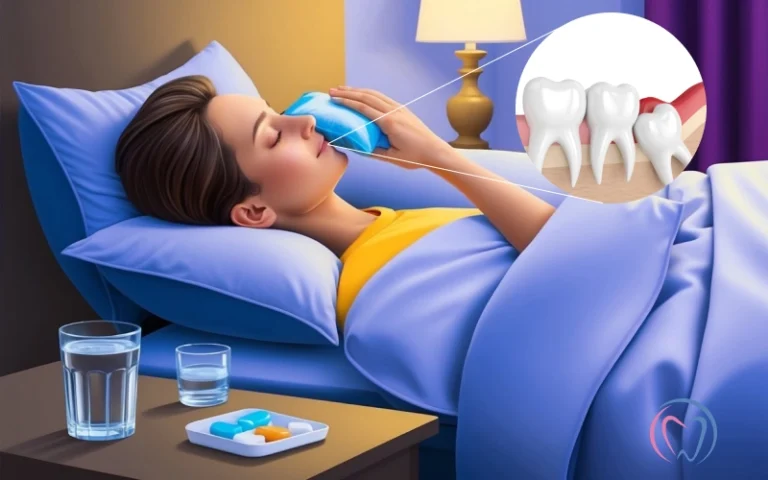

A slightly raised temperature can occur around the time of dental surgery, but a true fever after tooth extraction should not automatically be considered a normal part of healing.
Some pain, swelling and minor bleeding are expected after having a tooth removed. However, a fever may indicate an infection, particularly when it occurs alongside increasing pain, swelling, chills or an unpleasant discharge.
Not every fever following dental treatment is caused by the extraction itself. The timing, temperature and other symptoms all matter.
When should you be concerned?
A body temperature of 38°C (100.4°F) or higher is generally considered a fever. Contact your treating dentist or an appropriate healthcare professional promptly if you develop a fever after tooth extraction. Seek emergency medical care if you also have difficulty breathing or swallowing, rapidly spreading facial or neck swelling, or other severe symptoms.
Is a Low-Grade Fever Normal After Tooth Extraction?
The term low-grade fever is often used to describe a slightly elevated body temperature, but it can be confusing because definitions vary.
According to Healthdirect Australia, a fever is generally defined as a body temperature of 38°C or higher.
Normal body temperature varies between people and throughout the day. It can also be affected by how the temperature is measured.
Here is a practical way to interpret your reading.
| Temperature | What it generally means | What to consider after extraction |
|---|---|---|
| Below 37.5°C | Usually within the normal range for many adults | Consider your other symptoms, not just the number |
| 37.5°C to 37.9°C | Slightly elevated, but below the usual fever threshold | Recheck your temperature and seek advice if you feel unwell or symptoms worsen |
| 38°C or higher | Fever | Contact your dentist or an appropriate healthcare professional promptly |
| 39°C or higher | High fever | Seek urgent medical assessment, particularly if you have chills, swelling or significant pain |
These temperature ranges are general guidance for adults, not a diagnosis. The measurement method and your individual circumstances also matter.
You should not wait for your temperature to reach 38°C if you have significant swelling, worsening pain or other concerning symptoms.
What Is Normal After a Tooth Extraction?
Having a tooth removed causes some disruption to the surrounding gum and supporting tissues.
Your body responds by forming a blood clot over the extraction socket and beginning the healing process.
The Queensland Government’s dental surgery aftercare guidance explains that some pain, swelling and blood-stained saliva can occur after treatment.
During early recovery, you may notice:
- Soreness around the extraction site
- Mild swelling of the gum or cheek
- A small amount of blood-stained saliva
- Temporary jaw stiffness
- Discomfort when chewing near the extraction area
After surgical tooth removal, swelling and discomfort may be more noticeable for the first few days.
However, symptoms should generally begin to improve as healing progresses.
Fever, worsening swelling and increasing pain should not simply be dismissed as ordinary recovery symptoms.
Fever After Tooth Extraction: What Your Symptoms May Mean
A temperature reading is useful, but it does not tell the whole story.
The combination of symptoms and how they change over time can help you decide what to do next.
| What you notice | What it may indicate | Recommended action |
|---|---|---|
| Mild soreness and swelling that gradually improve, without fever | Expected recovery | Continue your dentist’s aftercare instructions |
| Slightly elevated temperature without other concerning symptoms | Temperature variation or another cause | Recheck your temperature and monitor how you feel |
| Fever of 38°C or higher | Possible infection or another illness | Contact your dentist or healthcare professional promptly |
| Fever with increasing pain, swelling or pus | Possible infection around the extraction site | Arrange urgent dental assessment |
| Shivering or chills with dental pain or swelling | Possible infection or another cause requiring assessment | Seek prompt professional advice |
| Severe throbbing pain starting a few days after extraction | Possible dry socket or another complication | Contact your dentist promptly |
| Rapidly spreading swelling or difficulty breathing or swallowing | Possible serious infection or another emergency | Seek emergency medical care immediately |
These are possible explanations rather than confirmed diagnoses.
A dentist may need to examine the socket to determine whether a complication is present.
Why Might You Develop a Fever After Tooth Extraction?
Several conditions can cause a raised temperature or fever following dental treatment.
Infection Around the Extraction Site
A dental infection is an important possibility when fever develops after a tooth has been removed.
Most extraction sites heal without becoming infected. However, infection can occasionally develop in the surrounding tissues.
Possible signs include increasing pain, swelling, redness, pus and an unpleasant taste or smell.
The Newcastle Hospitals’ oral surgery aftercare guidance identifies increased pain, swelling, raised body temperature and chills as signs that may indicate infection.
If you develop these symptoms, contact the treating dental clinic rather than assuming they will settle.
The Body’s Response to Surgery
Tooth extraction causes tissue inflammation as part of the healing process.
However, normal local inflammation and a measured fever are not the same thing.
Some people may experience temporary changes in temperature around a procedure, but it is not possible to determine from the temperature alone whether this is related to surgery, infection or another cause.
A true fever should therefore be assessed rather than automatically attributed to normal healing.
Dry Socket
Dry socket, also called alveolar osteitis, occurs when the protective blood clot inside the extraction socket does not form properly or breaks down too early.
This can expose sensitive tissues and cause considerable pain.
According to Healthdirect’s guide to dry socket, symptoms may include severe throbbing pain, bad breath, an unpleasant taste and sometimes a slight fever.
Pain often begins or becomes significantly worse within the first few days after extraction.
Dry socket is different from a spreading dental infection. However, symptoms can overlap, so a dentist should assess significant or worsening pain.
An Unrelated Illness
Not every fever after dental work is caused by the procedure.
You may develop a viral infection, respiratory illness or another health problem around the same time as your extraction.
For example, fever accompanied by a cough, sore throat or other non-dental symptoms may have a cause unrelated to the extraction socket.
A GP can help assess these possibilities, particularly if the dental area appears to be healing normally.
Does the Timing of Fever After Tooth Extraction Matter?
Yes. The timing can provide helpful context, although it cannot confirm the cause.
Fever Within the First 24 Hours
Mild bleeding, soreness and temporary numbness are more typical early recovery experiences.
A fever developing within the first 24 hours should not automatically be attributed to the healing process.
If you measure a temperature of 38°C or higher, contact your dentist or an appropriate healthcare professional for advice.
This is particularly important if you also have chills, significant pain, swelling or feel generally unwell.
Fever Two or Three Days After Extraction
Some swelling may still be present, particularly after surgical tooth removal.
However, fever accompanied by increasing pain, worsening swelling or an unpleasant discharge may indicate a complication.
Dry socket can also become painful during this period, although it does not always cause a fever.
If symptoms were settling but have started becoming worse, arrange a dental assessment.
Fever Four or More Days After Extraction
By this stage, many people notice that the initial discomfort is becoming more manageable.
A new fever or pain and swelling that worsen after earlier improvement should prompt professional assessment.
The timing alone cannot establish whether you have an infection, dry socket or an unrelated illness.
Do not wait for several days simply to see whether a measured fever disappears.
Can You Get a Fever After Wisdom Teeth Removal?
Yes, fever can occur after wisdom tooth removal, but it should not automatically be treated as a normal consequence of the procedure.
Wisdom teeth can be more difficult to remove when they are impacted or have not fully erupted.
Surgical removal may involve cutting the gum, removing some surrounding bone or dividing the tooth into smaller sections.
As a result, swelling, jaw stiffness and discomfort can be more noticeable than after a straightforward extraction.
However, the same warning signs apply.
A fever of 38°C or higher, chills, increasing swelling or worsening pain requires professional advice.
The Newcastle Hospitals’ guidance for oral surgery patients recommends contacting the treating department if symptoms suggestive of infection develop.
Is Fever More Concerning After Impacted Wisdom Tooth Surgery?
The complexity of surgery can influence recovery, but it does not mean fever should be ignored.
If you have had an impacted wisdom tooth removed and develop a fever, tell your surgeon when the procedure took place and whether the swelling or pain is increasing.
Seek emergency care if you develop rapidly spreading facial or neck swelling, difficulty swallowing or breathing problems.
Why Am I Shivering After Tooth Extraction?
Shivering and chills can happen for several reasons.
You may feel cold, anxious or unsettled after a procedure. If you have had sedation or a general anaesthetic, your recovery experience may also differ from that of someone who had only local anaesthetic.
However, shivering can also occur with a fever or infection.
Healthdirect identifies shivering as one of the symptoms that can accompany a fever.
If you’re shivering after tooth extraction, check your temperature and pay attention to other symptoms.
Contact your dentist or an appropriate healthcare professional promptly if the shivering is persistent, severe or accompanied by increasing dental pain, swelling, fever or feeling unwell.
Do not assume that chills are harmless simply because your temperature has not reached 38°C.
How Can You Tell if the Extraction Site Is Infected?
An infected extraction site may produce a combination of symptoms rather than one specific sign.
These can include:
- Pain that becomes worse instead of improving
- Increasing swelling around the gum, cheek or jaw
- Pus or discharge
- A persistent unpleasant taste or smell
- Fever or chills
- Tenderness around the treated area
- Feeling generally unwell
Some of these symptoms can occur with other dental conditions.
For example, an unpleasant taste and significant pain may also occur with dry socket.
A dentist may need to examine the area to determine what is happening.
What Should You Do if You Have a Fever After Tooth Extraction?
If you develop a fever, the priority is to obtain appropriate dental or medical advice.
There are also some practical steps you can take.
1. Check and Record Your Temperature
Use a thermometer and follow its instructions.
Record the temperature, when it was measured and whether you have taken any medicines that could lower a fever.
If possible, also note when your other symptoms began.
This information can help your treating dentist or doctor understand the situation.
2. Contact Your Dentist
When speaking with the dental clinic, explain:
- When the tooth was removed
- Whether it was a simple or surgical extraction
- Your measured temperature
- When the fever or chills started
- Whether pain or swelling is increasing
- Whether you have discharge, a bad taste or difficulty opening your mouth
- Which medications you have taken
The clinic can advise whether you need to be examined urgently.
If you cannot reach your dentist, contact an appropriate after-hours dental service, GP or urgent care provider.
3. Rest and Stay Hydrated
Rest and drink enough fluids while arranging professional advice.
You may find soft, easy-to-chew foods more comfortable while the extraction site is healing.
Avoid very hot foods, alcohol and strenuous activity during early recovery.
For more practical dietary advice, read our guide on how soon you can eat after tooth extraction.
4. Use Pain and Fever Medicines Carefully
Paracetamol or ibuprofen may help reduce pain and fever when they are appropriate for you.
However, reducing the temperature does not treat the underlying cause of an infection.
Not everyone can safely use these medicines, particularly people with certain medical conditions or those taking other medications.
Follow the instructions provided by your dentist or pharmacist, and do not exceed the recommended dose.
5. Continue the Recommended Aftercare
Avoid touching or disturbing the healing socket.
Continue cleaning the rest of your mouth carefully.
Many dental aftercare instructions recommend avoiding mouth rinsing during the first 24 hours, then beginning gentle warm salt water rinses when advised.
Follow your own dentist’s instructions, as recommendations can vary depending on the procedure.
Our guide on using salt water as a mouthwash explains its benefits and limitations.
Will You Need Antibiotics for a Fever After Tooth Extraction?
Not necessarily.
A fever does not automatically mean that antibiotics are required.
A dentist first needs to assess whether there is an infection and determine the appropriate treatment.
Antibiotics are not routinely prescribed after every extraction.
Newcastle Hospitals’ aftercare guidance explains that antibiotics are only prescribed when the treating clinician considers them necessary.
If an infection is present, treatment may involve cleaning or draining the affected area, with antibiotics used when appropriate.
Do not take leftover antibiotics or medication prescribed to another person.
When Should You Seek Emergency Medical Care?
Some complications need immediate medical attention rather than a routine dental appointment.
Healthdirect Australia advises emergency medical care when dental pain or swelling causes breathing problems, speaking difficulties or swelling around the eye or neck.
Seek emergency medical care immediately if you experience:
- Difficulty breathing
- Difficulty swallowing saliva
- Rapidly spreading swelling around the face or neck
- Swelling around the eye
- Difficulty speaking because of swelling
- Severe confusion or unusual drowsiness
- Severe uncontrolled bleeding
In Australia, call 000 for a life-threatening emergency.
If you have a weakened immune system or another condition that increases your risk of serious infection, seek medical advice particularly promptly if you develop a fever after dental treatment.
How Can You Support Healing After Tooth Extraction?
Good aftercare can help reduce avoidable complications, although it cannot prevent every infection or guarantee that healing will be problem-free.
The main priorities are to protect the blood clot, maintain appropriate oral hygiene and follow your dentist’s instructions.
Avoid smoking and vaping, especially during early recovery.
Do not poke the extraction socket or repeatedly touch it with your tongue.
Choose soft foods when chewing is uncomfortable and avoid activities that may increase bleeding.
Follow your dentist’s instructions about rinsing, brushing, medication and returning to normal activities.
For a broader recovery guide, see our tooth removal recovery tips.
Frequently Asked Questions
Does Tooth Extraction Cause Fever?
Tooth extraction causes local inflammation as part of healing, but a measured fever is not something that should automatically be expected after every extraction.
A fever may indicate an infection or another health problem.
Contact your dentist or healthcare professional if your temperature reaches 38°C or higher, or if you develop other concerning symptoms.
Is 37.5°C a Low-Grade Fever After Tooth Extraction?
A temperature of 37.5°C is slightly elevated for some people but remains below the usual fever threshold of 38°C.
It does not automatically indicate an infection.
However, if you feel unwell, have worsening swelling or experience significant pain, seek professional advice regardless of the temperature reading.
Is a Temperature of 38°C Normal After Tooth Extraction?
A measured temperature of 38°C meets the usual definition of fever.
It should not simply be dismissed as normal recovery.
Contact your treating dentist or an appropriate healthcare professional promptly.
What if I Have a High Fever After Tooth Extraction?
A high fever, particularly around 39°C or above, requires urgent medical assessment after dental surgery.
This is especially important if you also have chills, increasing swelling or worsening pain.
Seek emergency care immediately if you have difficulty breathing or swallowing, rapidly spreading swelling or other severe symptoms.
How Long Does Fever Last After Tooth Extraction?
There is no fixed period during which a fever can safely be considered normal after extraction.
Its duration depends on the underlying cause.
Rather than waiting several days for a measured fever to disappear, seek professional advice.
Is Fever and Chills After Wisdom Teeth Removal Normal?
Some pain, swelling and jaw stiffness can be expected after wisdom tooth surgery.
Fever and chills, however, should prompt contact with your treating dentist or oral surgeon because they can indicate infection or another complication.
Can Dry Socket Cause a Low-Grade Fever?
Yes. Healthdirect lists a slight fever among the possible symptoms of dry socket.
However, its main feature is usually intense pain developing or becoming worse after extraction.
Fever accompanied by increasing swelling, pus or feeling very unwell should not automatically be attributed to dry socket.
Can You Have an Infection Without a Fever?
Yes.
A dental infection does not always cause a measurable fever.
Increasing pain, swelling, discharge or other concerning symptoms still require assessment even if your temperature is below 38°C.
Is Fever After Other Dental Work Normal?
A fever after dental treatment, such as a filling, root canal procedure or oral surgery, may have several possible causes.
It should not automatically be attributed to the dental work.
If you develop a fever following a procedure, contact the treating dentist or an appropriate healthcare professional for advice.
Don’t Dismiss a Fever During Tooth Extraction Recovery
Some soreness, swelling and minor bleeding are common after having a tooth removed.
A measured fever is different and deserves attention.
Although fever does not always mean that the extraction site is infected, it should not be assumed to be an ordinary part of healing without considering the other symptoms.
Check your temperature, monitor changes in pain or swelling and contact your dentist promptly if you develop a fever, chills or other concerning symptoms.
Early assessment can help identify complications and ensure you receive the appropriate treatment.
Sources and Further Reading
- Healthdirect Australia: Fever
- Queensland Government: Care After Dental Surgery
- Newcastle Hospitals NHS Foundation Trust: Oral Surgery Aftercare
- Healthdirect Australia: Dry Socket
- Healthdirect Australia: Toothache and Gum Swelling
This article is for general educational purposes and does not replace personalised advice from a registered dental professional or medical practitioner. Seek urgent medical care if you develop severe symptoms or signs of a spreading infection.